

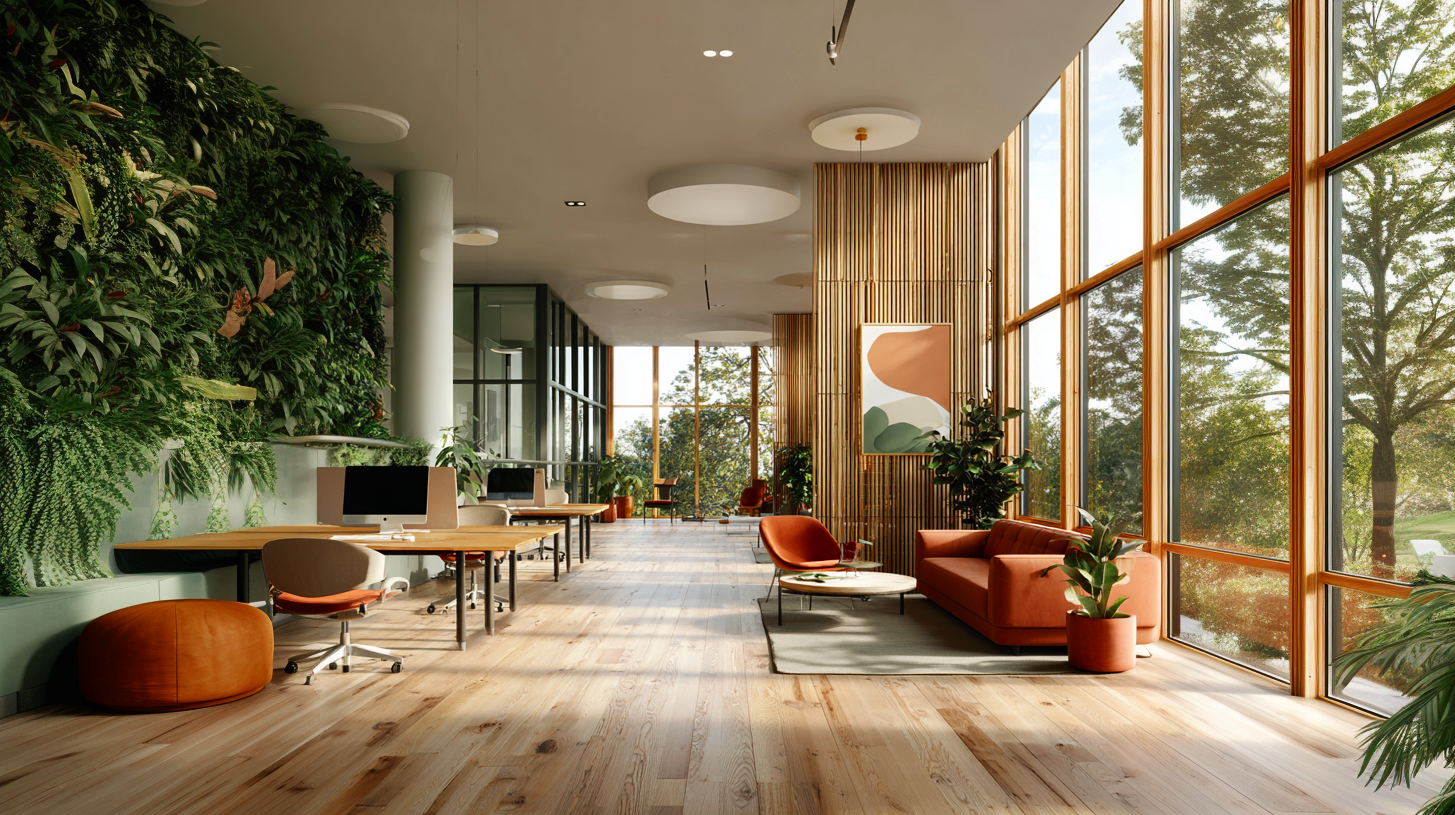
DESIGNING FOR HOW PEOPLE FEEL.
NEUROARCHITECTURE + HUMAN-CENTERED DESIGN
We consider how sound, texture, color, light, pattern and material choices may influence comfort, focus, connection and the overall experience of a space.


Why It Matters
Neuro-architecture is an emerging field at the intersection of neuroscience, psychology, and design. It explores how the built environment affects our emotions, behavior, and well-being.
At Complex Flavors, this isn’t theory — it’s personal. I’ve lived with lupus for more than 20 years. Beyond the physical impact, lupus has affected me neurologically, influencing how I process spaces, textures, and even light. I often found myself in environments that looked stylish but felt overwhelming, draining, or disconnected from my reality.
And I’m not alone. 15–20% of the global population is neurodivergent — including people with autism, ADHD, dyslexia, lupus-related neurological effects, and more. Yet many of the spaces we live, work, and gather in don’t support diverse sensory and emotional needs. The result? Interiors that look good but leave people feeling unseen, overstimulated, or unwelcome.
We believe emotional wellness is the true luxury. That gap is why I created Complex Flavors Home + Life.
W H A T S E T S U S A P A R T

INNOVATIVE ART & NEURO-ARCHITECTURE
Designs crafted with natural materials and elements that positively influence both the mind and body.
+
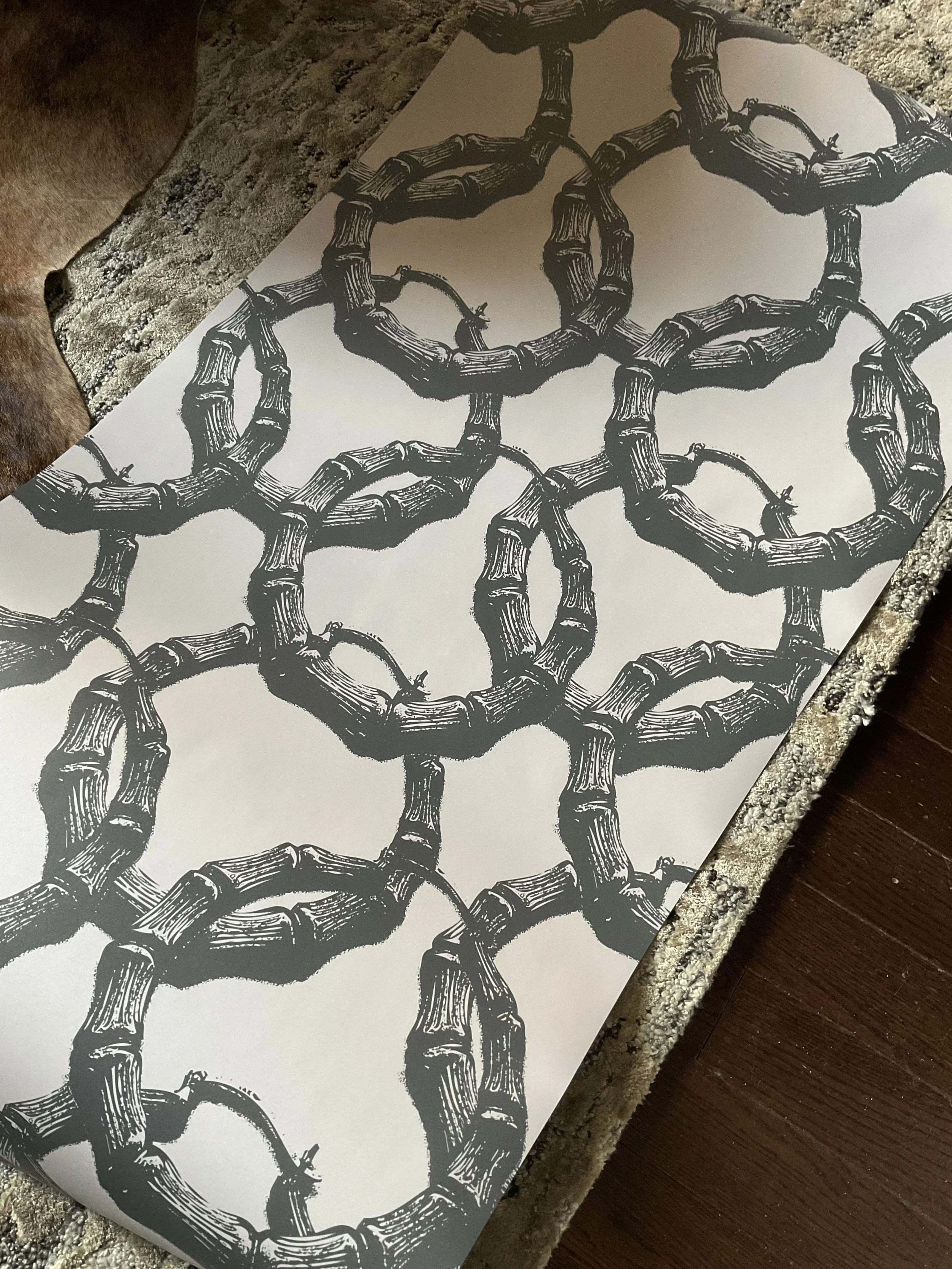
CULTURAL STORYTELLING
Wallpapers and décor that celebrate heritage, identity, and lived experiences.